.svg)
Industry LinkedIn: Maximizing B2B Lead Generation
LinkedIn has evolved from a simple professional networking site into the most powerful B2B marketing platform available today. For businesses focused on lead generation, understanding how to leverage industry linkedin effectively separates top performers from those struggling to build meaningful connections. With over 900 million members worldwide and decision-makers actively engaging on the platform daily, the opportunity to reach your target audience has never been greater. The key lies in understanding industry-specific strategies that resonate with your prospects and implementing automation tools that scale your outreach without sacrificing personalization.
Understanding the Power of Industry LinkedIn for B2B Marketing
Industry linkedin represents more than just professional profiles and job postings. It's a dynamic ecosystem where business relationships form, deals close, and thought leadership establishes market authority. Unlike consumer-focused social platforms, LinkedIn users arrive with a business mindset, making them far more receptive to professional conversations and value-driven content.
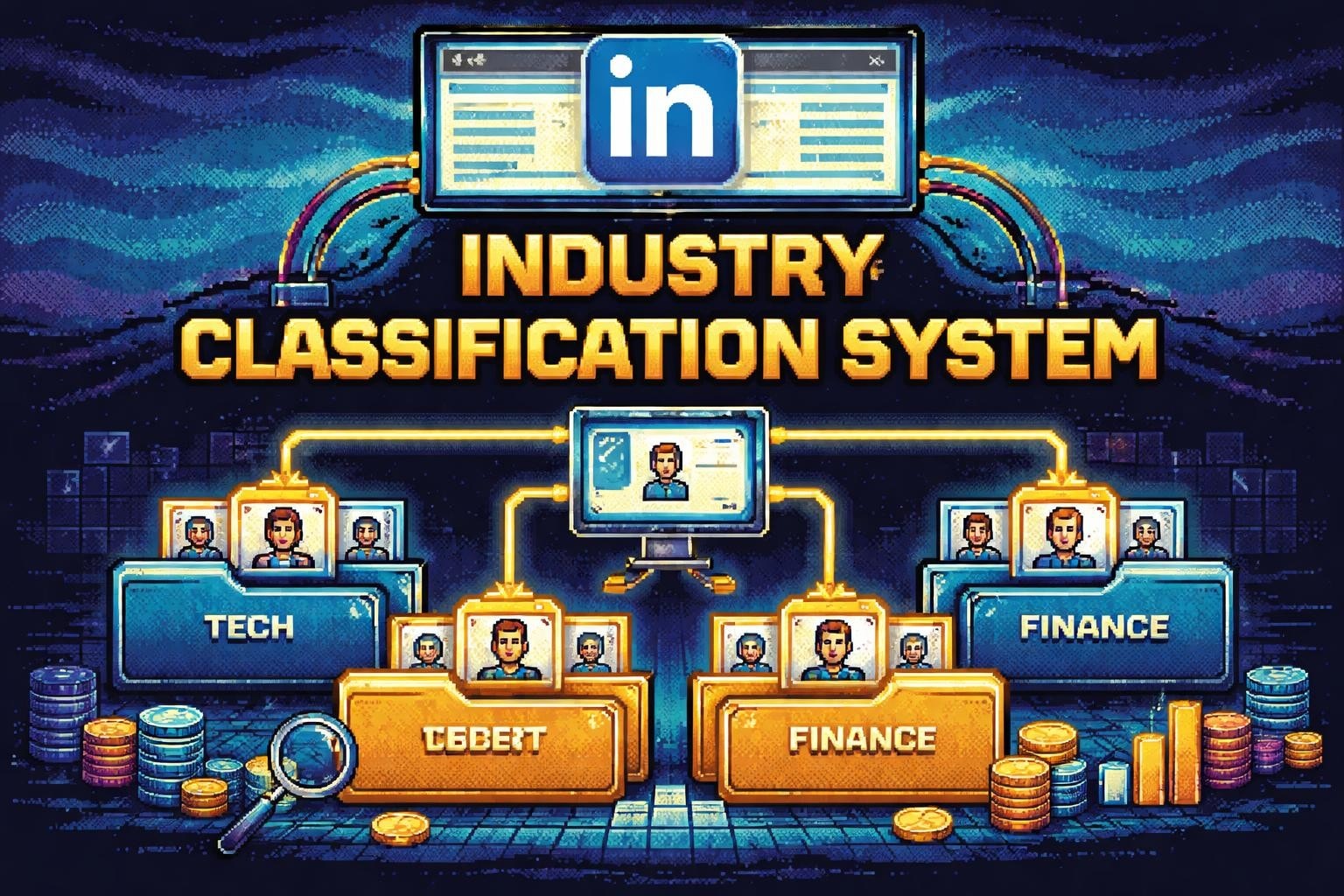
The platform's sophisticated targeting capabilities allow businesses to identify decision-makers by job title, company size, industry, and geographic location. This precision targeting eliminates the wasteful spray-and-pray approach common in traditional marketing channels. When you combine this targeting power with strategic automation, you create a lead generation engine that operates continuously while maintaining the personalized touch that converts prospects into customers.
Why Industry-Specific Approaches Matter
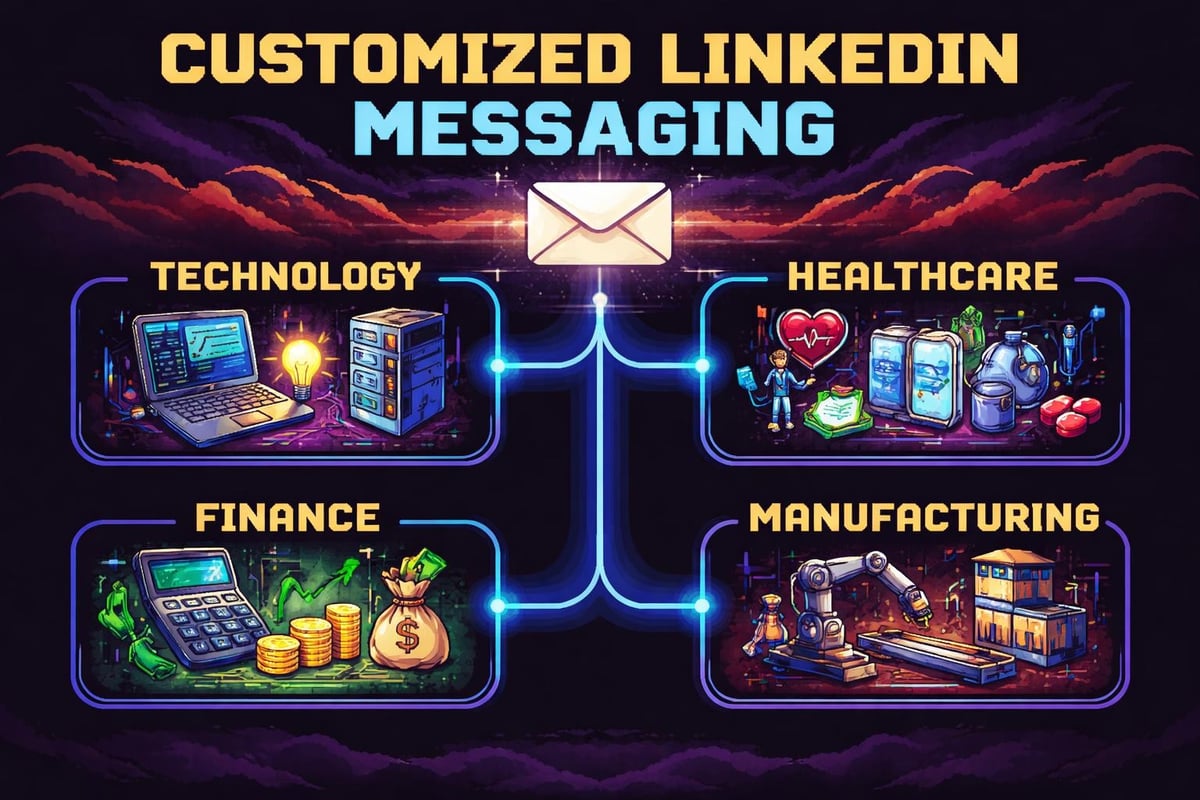
Generic LinkedIn strategies rarely produce exceptional results. Each industry has unique communication styles, pain points, and decision-making processes. A compelling message for a financial services executive won't resonate with a manufacturing plant manager. Understanding these nuances and tailoring your approach accordingly dramatically improves response rates.
Consider the technology sector versus healthcare. Tech professionals often respond well to innovative solutions and data-driven results, while healthcare decision-makers prioritize compliance, patient outcomes, and proven reliability. Your LinkedIn automation strategy must reflect these differences to maximize effectiveness.
Building Your Industry LinkedIn Profile for Maximum Impact
Your LinkedIn profile serves as your digital storefront. Before launching any outreach campaign, ensure your profile communicates credibility, expertise, and value. Decision-makers research people before responding to connection requests, and a weak profile kills conversion rates before conversations begin.
Essential Profile Components:
- Professional headline that clearly states your role and value proposition
- High-quality profile photo that conveys professionalism and approachability
- Compelling summary that addresses industry pain points and demonstrates expertise
- Detailed experience section highlighting relevant achievements and results
- Skills and endorsements that validate your industry knowledge
- Rich media content including presentations, case studies, and thought leadership articles
The best practices outlined by industry experts emphasize consistency between your profile messaging and your outreach communications. When prospects visit your profile after receiving a connection request, they should immediately understand your relevance to their business challenges.
Optimizing Company Pages for Industry Authority
Beyond personal profiles, company pages establish organizational credibility. Active company pages with regular updates, employee advocacy, and engagement signal market presence and thought leadership. Many LinkedIn marketing best practices recommend posting 2-4 times weekly with a mix of educational content, company updates, and industry insights.
| Content Type | Posting Frequency | Best Performance Time |
|---|---|---|
| Educational Articles | 2x per week | Tuesday-Thursday 8-10 AM |
| Company Updates | 1x per week | Wednesday 9 AM |
| Industry News | 3x per week | Morning hours |
| Video Content | 1-2x per week | Tuesday-Thursday afternoons |
Company pages also enable sponsored content campaigns that amplify your organic reach. When combined with connection-level outreach through automation platforms, this creates a multi-touch approach that significantly improves conversion rates.
Implementing Industry LinkedIn Automation Strategies
Manual LinkedIn outreach limits your growth potential. Automation enables systematic, scalable campaigns while maintaining the personalization that drives responses. However, effective automation requires strategic planning and adherence to platform guidelines to avoid account restrictions.
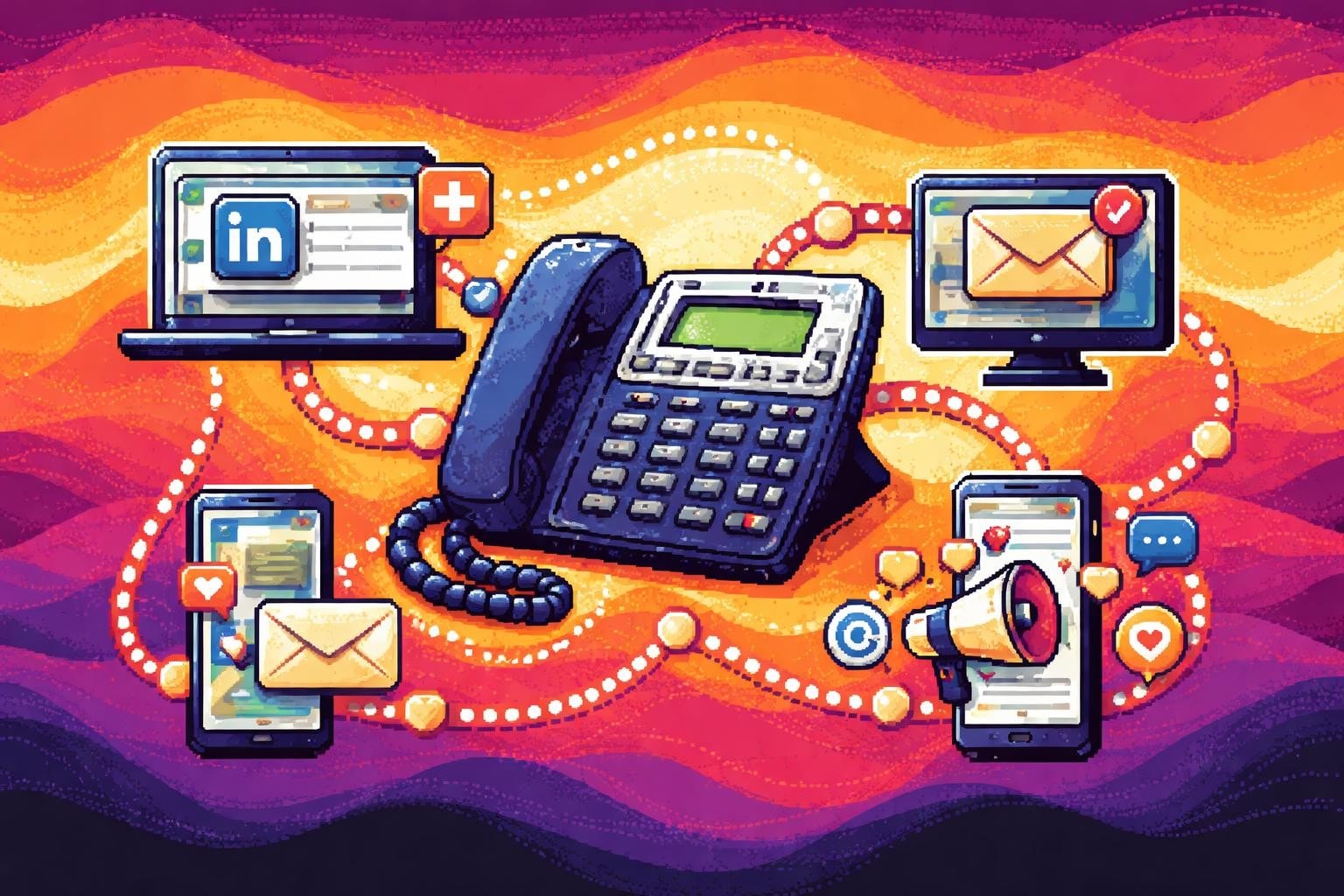
Modern B2B lead generation software integrates LinkedIn automation with email sequences, creating multi-channel campaigns that reach prospects through their preferred communication channels. This approach recognizes that decision-makers rarely convert from a single touchpoint.
Setting Up Automated Connection Campaigns
Successful automated campaigns start with precise targeting. Use LinkedIn's advanced search filters to identify prospects matching your ideal customer profile. Consider factors including:
- Job titles and seniority levels that match decision-maker criteria
- Company size and revenue indicating budget availability
- Industry classifications ensuring relevant prospects
- Geographic locations matching your service areas
- Recent activity indicators showing active LinkedIn users
Once you've identified your target audience, craft personalized connection requests that reference specific profile elements. Generic requests receive acceptance rates below 20%, while personalized messages regularly achieve 40-50% acceptance rates.
Effective Message Components:
- Reference to shared connections or groups
- Mention of specific content they've posted or engaged with
- Clear value proposition relevant to their role
- Professional yet conversational tone
- No immediate sales pitch
Creating Multi-Channel Sequences
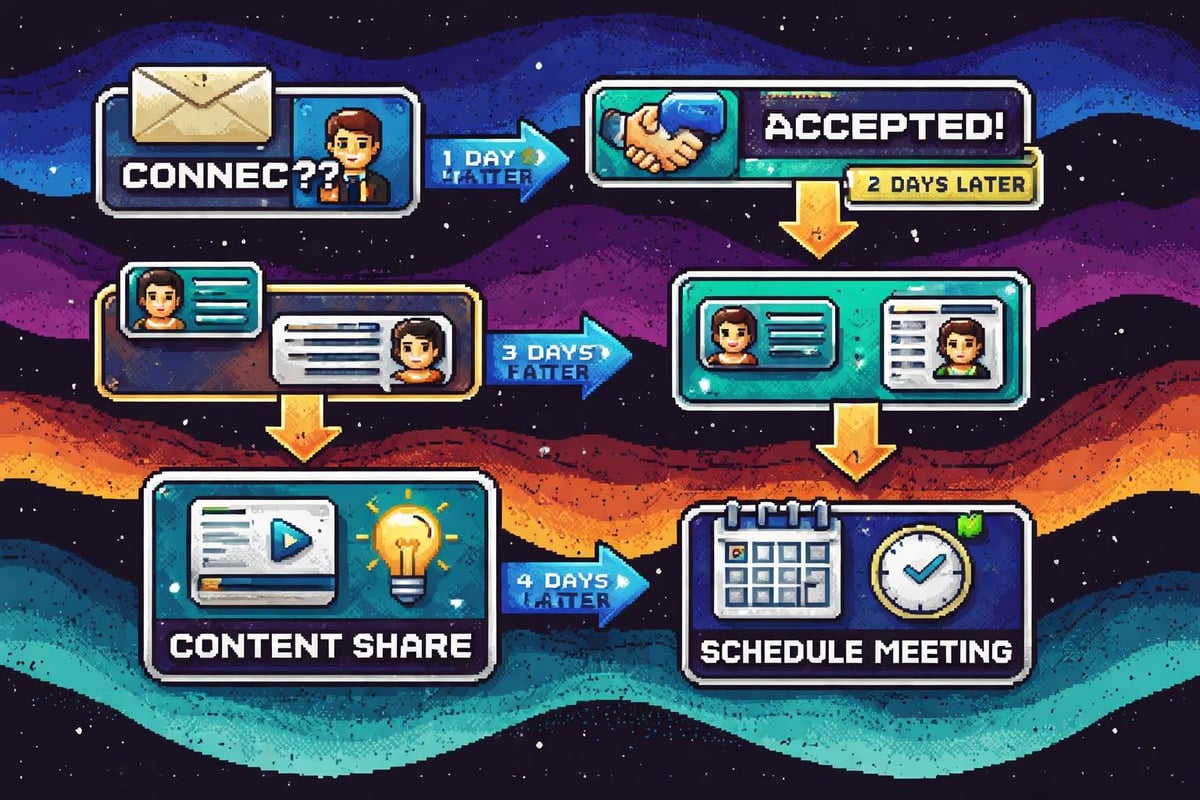
Industry linkedin strategies achieve peak performance when integrated with email outreach. After connecting on LinkedIn, transition conversations to email for deeper discussions and formal proposals. This multi-channel approach leverages the strengths of both platforms.
LinkedIn excels at breaking through initial barriers and establishing credibility. Email provides better formatting options for detailed proposals and tracking capabilities for engagement metrics. Guide to multichannel outreach demonstrates how combining these channels increases response rates by 3-5x compared to single-channel approaches.
Content Strategies for Industry LinkedIn Engagement
Outreach campaigns work better when supported by consistent content creation. Publishing valuable industry insights positions you as a thought leader and gives prospects reasons to engage beyond sales conversations. Content strategy should align with your target audience's interests and pain points.
Types of High-Performing LinkedIn Content
Different content formats serve different purposes in your industry linkedin strategy. Long-form articles establish deep expertise, while short posts and comments maintain visibility and engagement. Video content generates significantly higher engagement rates but requires more production resources.
| Content Format | Engagement Rate | Best Use Case | Production Time |
|---|---|---|---|
| Long Articles | Medium | Thought leadership | 2-4 hours |
| Short Posts | High | Daily visibility | 15-30 minutes |
| Video Content | Very High | Product demos, tips | 1-3 hours |
| Document PDFs | Medium-High | Guides, reports | 3-6 hours |
| Polls | Very High | Engagement, research | 10 minutes |
Focus on educational content that solves problems rather than promotional material. LinkedIn company page best practices indicate that educational posts receive 3x more engagement than promotional content.
Leveraging Employee Advocacy
Employee networks extend your reach exponentially. When team members share company content and engage with industry discussions, your message reaches audiences beyond your immediate connections. Implement an employee advocacy program encouraging regular LinkedIn activity.
Provide employees with:
- Pre-written posts they can personalize and share
- Industry articles relevant to their roles
- Recognition for top engagers
- Training on effective LinkedIn engagement
- Guidelines maintaining brand consistency
Companies with active employee advocacy programs see their content reach increase by 500-1000%, dramatically improving brand awareness and lead generation results.
Advanced Targeting and Personalization Techniques
Generic outreach messages achieve minimal results in today's crowded digital landscape. Advanced personalization techniques separate your campaigns from competitors and significantly improve conversion rates. Modern automation platforms enable personalization at scale through dynamic variables and conditional logic.
Dynamic Personalization Variables
Beyond using first names, incorporate company-specific details, recent activity mentions, and role-based pain points. Advanced email automation systems pull data from multiple sources to create highly personalized messages that appear individually crafted.
Effective personalization variables include:
- Recent company news or funding announcements
- Specific products or services they offer
- Content they've recently engaged with
- Mutual connections or shared group memberships
- Industry-specific challenges relevant to their role
- Company growth indicators or hiring activity
The key is ensuring personalization adds genuine relevance rather than appearing formulaic. Reference specific details that demonstrate research and understanding of their business situation.
Image Personalization for Higher Engagement
Visual personalization takes customization to the next level. Image personalization technology dynamically generates custom graphics featuring the prospect's name, company logo, or relevant statistics. These personalized images dramatically increase message open and response rates.
A financial services company might send personalized images showing potential ROI calculations specific to the prospect's company size. A recruiting firm could create custom graphics highlighting talent acquisition challenges in the prospect's industry. This level of customization communicates effort and relevance that standard messages cannot achieve.
Measuring and Optimizing Industry LinkedIn Performance
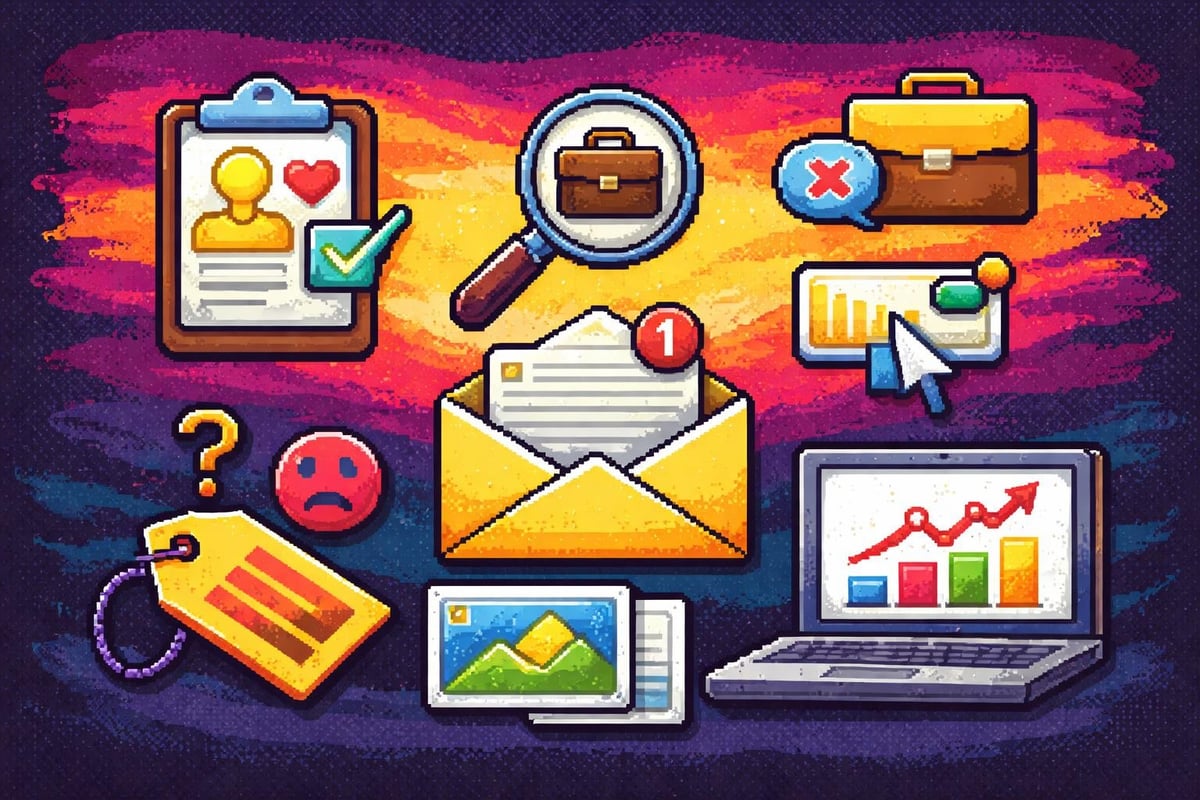
Data-driven optimization separates successful campaigns from failed experiments. Track key performance metrics throughout your industry linkedin campaigns and continuously refine your approach based on results. Establish baseline metrics before launching campaigns to measure improvement accurately.
Critical Metrics to Monitor
Different campaign stages require different metrics. Connection acceptance rates indicate message quality and targeting accuracy. Response rates measure message relevance and value proposition strength. Conversion rates reveal overall campaign effectiveness.
Key Performance Indicators:
- Connection acceptance rate (target: 35-50%)
- Message response rate (target: 15-25%)
- Meeting booking rate (target: 5-10%)
- Opportunity creation rate (target: 2-5%)
- Cost per lead (varies by industry)
- Lead-to-customer conversion rate (varies by sales cycle)
Track these metrics weekly and adjust targeting, messaging, or timing based on performance trends. A/B testing different message variations identifies top performers that can be scaled across larger campaigns.
Continuous Improvement Strategies
Successful industry linkedin strategies evolve continuously. What works today may underperform tomorrow as platform algorithms change and prospect expectations shift. Implement systematic testing protocols evaluating new approaches while maintaining successful baseline campaigns.
Test variables including:
- Connection request message variations
- Follow-up timing and frequency
- Value proposition emphasis
- Call-to-action phrasing
- Content sharing strategies
- Profile optimization approaches
Document results from each test and implement winning variations as new standards. Over time, this systematic optimization compounds into substantial performance improvements that significantly impact lead generation results.
Compliance and Best Practices for Sustainable Growth
LinkedIn actively monitors automated activity and restricts accounts violating platform guidelines. Sustainable industry linkedin strategies require understanding and respecting these limitations while maximizing legitimate automation capabilities. The goal is building genuine relationships at scale, not gaming the system.
LinkedIn Automation Limits and Guidelines
LinkedIn imposes daily limits on connection requests, messages, and profile views to prevent spam and maintain platform quality. Understanding these limits and working within them ensures account safety while achieving meaningful results.
Daily Action Limits:
- Connection requests: 100-150 per week (20-30 per day)
- Messages: 150-200 per day
- Profile views: 200-300 per day
- InMails: Varies by account type
- Post engagement: Unlimited but avoid excessive rapid actions
Professional automation platforms include built-in safety limits preventing excessive activity that triggers LinkedIn's spam detection algorithms. They randomize timing and introduce natural delays that mimic human behavior patterns.
Building Genuine Relationships at Scale
The most effective marketing professionals leverage LinkedIn not as a broadcasting platform but as a relationship-building tool. Automation handles repetitive tasks, freeing time for meaningful conversations with interested prospects.
When prospects respond to automated outreach, transition to genuine dialogue. Ask questions about their challenges, share relevant resources without immediate sales pressure, and demonstrate expertise through helpful insights. This consultative approach builds trust that converts prospects into long-term customers.
Remember that industry linkedin success comes from helping your target audience solve problems. When your outreach consistently provides value, prospects welcome your messages rather than viewing them as spam. This reputation compounds over time, making future campaigns increasingly effective.
Industry-Specific LinkedIn Strategies
Different industries require tailored approaches reflecting unique characteristics and buyer behaviors. What works brilliantly in SaaS sales may fail completely in manufacturing. Understanding these nuances and adapting your industry linkedin strategy accordingly maximizes results.
Technology and SaaS Companies
Technology buyers research extensively before engaging with sales teams. They value data-driven results, innovative solutions, and technical expertise. Your LinkedIn presence should emphasize:
- Technical thought leadership through detailed articles
- Case studies with specific metrics and results
- Product demonstrations and tutorials
- Integration capabilities and technical specifications
- Customer success stories with quantifiable outcomes
B2B SaaS lead generation requires longer nurture sequences addressing technical concerns and demonstrating ROI. Multi-touch campaigns combining educational content with personalized outreach perform best.
Professional Services and Consulting
Consultants and service providers sell expertise and trust. LinkedIn strategies should establish credibility through:
- Published research and original insights
- Speaking engagement announcements
- Certification and award highlights
- Client testimonials and success stories
- Participation in industry discussions
Professional services often require warm introductions rather than cold outreach. Leverage mutual connections and engage with prospect content before sending connection requests.
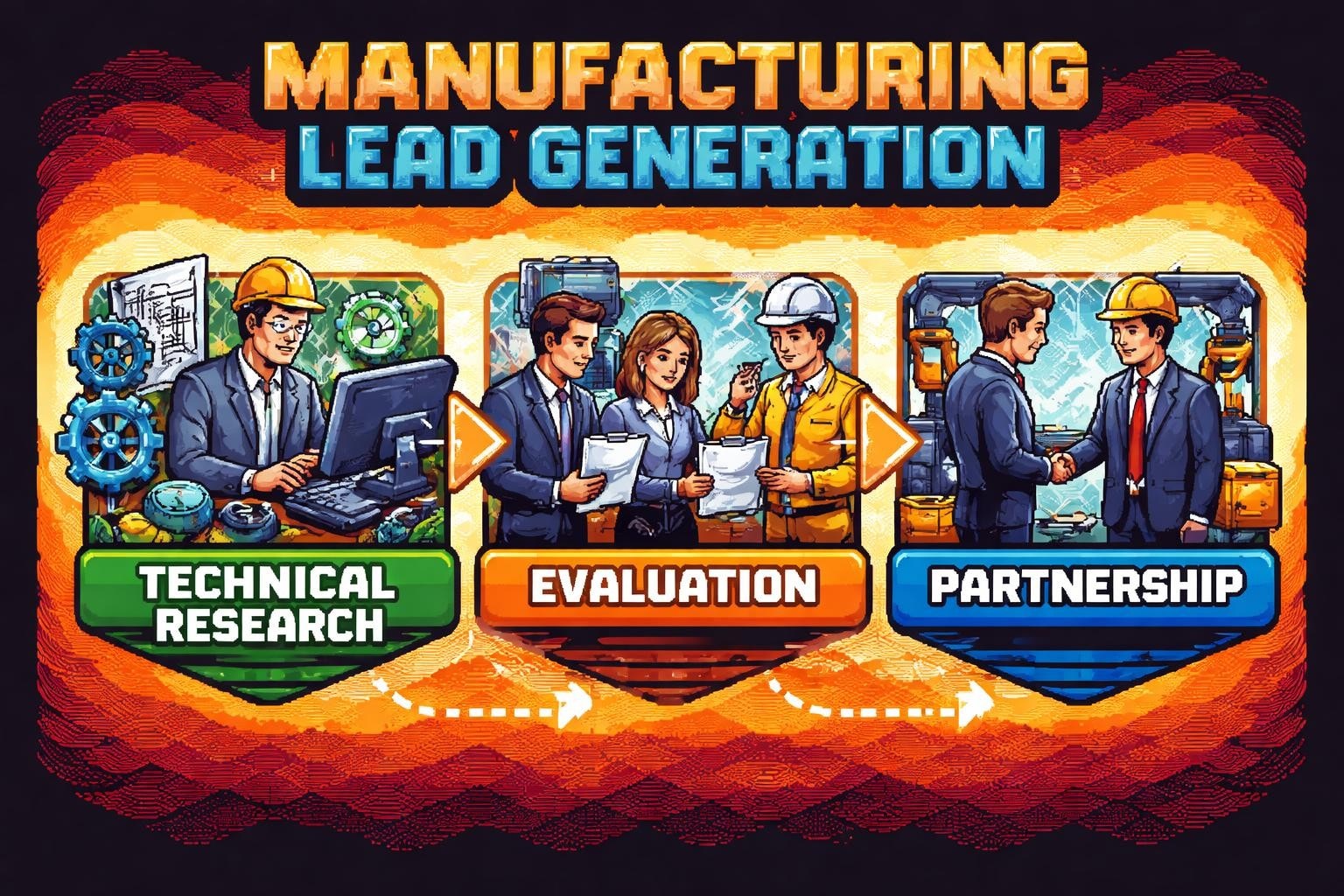
Manufacturing and Industrial Sectors
Manufacturing decision-makers value reliability, proven results, and long-term partnerships. They're often less active on LinkedIn than tech executives but still use the platform for vendor research. Strategies should include:
- Detailed company capabilities and certifications
- Equipment specifications and technical documentation
- Supply chain reliability indicators
- Industry compliance and safety records
- Long-term customer relationship examples
Financial Services and Fintech
Financial professionals prioritize compliance, security, and proven track records. Regulatory considerations impact both messaging and outreach methods. Focus on:
- Regulatory compliance and certification
- Security protocols and data protection
- Industry-specific expertise and understanding
- Risk mitigation and proven methodologies
- Transparent pricing and contract terms
Generating leads for fintech companies requires demonstrating deep industry knowledge and regulatory awareness that builds confidence in your capabilities.
Integrating Industry LinkedIn with Broader Lead Generation Strategies
While industry linkedin represents a powerful lead generation channel, it achieves maximum effectiveness when integrated with comprehensive marketing strategies. Multi-channel approaches that combine LinkedIn outreach with email campaigns, content marketing, and targeted advertising create synergistic effects that multiply results.
Creating Unified Multi-Channel Campaigns
Modern buyers interact with brands across multiple touchpoints before purchasing. They might discover you through LinkedIn, visit your website, read email content, and engage with social media before requesting a demo. Coordinate messaging across these channels to create consistent, reinforcing experiences.
A prospect who sees your LinkedIn content should receive complementary email messages that deepen the conversation. Website visitors who match your ideal customer profile should trigger LinkedIn connection campaigns. This orchestrated approach ensures no opportunity falls through the cracks.
Leveraging Data Across Platforms
Information gathered through industry linkedin activities enriches your overall marketing database. Profile views indicate interest. Content engagement reveals priorities. Message responses provide direct feedback about pain points and timing.
Feed this intelligence into your CRM system and use it to inform strategies across all channels. A prospect who engages with content about a specific pain point should receive targeted emails addressing that concern. This data-driven personalization dramatically improves conversion rates.
Multi-Channel Integration Benefits:
- Increased touchpoint frequency without overwhelming single channels
- Reinforced messaging across multiple platforms
- Better attribution and performance tracking
- Improved lead quality through multi-signal verification
- Higher conversion rates from coordinated approaches
Consider how recruiting firms leverage multiple channels to engage both companies and candidates simultaneously, creating efficient talent marketplaces that benefit all participants.
Mastering industry linkedin requires strategic thinking, consistent execution, and continuous optimization based on performance data. By implementing targeted automation, creating valuable content, and maintaining genuine relationship-building focus, businesses transform LinkedIn into their most productive lead generation channel. Leadriver provides the multi-channel automation platform that scales these strategies while maintaining the personalization that converts prospects into customers, offering both self-service and managed service options that adapt to your specific needs and growth objectives.
.avif)

.svg)
.svg)

.svg)
.svg)